

The Evolution of Casino Software and iGaming Platforms
I remember early online casinos offering maybe fifty basic slots. Today's iGaming software is a universe of thousands of games from dozens of providers. The shift from clunky, proprietary platforms to modular, API-driven ecosystems changed everything. Modern casino platforms now function more like app stores than singular products, leveraging powerful casino software like https://casinosoftware-th.com/ for seamless game integration and aggregation. This evolution, powered by sophisticated casino platform integration, lets operators mix and match games and features with unprecedented flexibility across their entire gaming lobby.
Asia's Dynamic Market: Thailand as a Key Hub for Casino Software
From Bangkok's tech scene, I've seen Thailand become a crucial Asia casino software hub. Local developers create content specifically for Southeast Asian tastes, blending regional themes with global mechanics. This focus makes Thai studios highly sought after for partners targeting this massive, culturally distinct market.
The local ecosystem thrives on several key pillars:
- Developing games with Thai mythology and folklore themes.
- Prioritizing mobile-first HTML5 game design for widespread smartphone use.
- Building direct integrations with popular local payment gateways.
- Navigating complex regional regulations with nuanced legal expertise.
- Offering competitive pricing, often 20-30% lower than some Western providers.
I wouldn't recommend entering this market without partnering with a company that has boots on the ground here. The cultural and regulatory nuances are too significant to handle remotely.
Core Casino Software Features for Modern iGaming Operators
When I evaluate a casino platform for clients, I look for specific, non-negotiable features. Modern iGaming software must be a complete business solution, not just a game delivery system. The platform's backend tools directly impact an operator's ability to scale and compete effectively.
Let's compare three leading platform solutions to see how they stack up.
| Brand | Key Specification | Price Range | My Verdict |
|---|---|---|---|
| SoftSwiss | Turnkey with 10k+ games | $50k+ setup | Excellent for high-rollers, massive library. |
| EveryMatrix | Modular "a la carte" system | $30k+ setup | Best for flexibility, add services as you grow. |
| Pragmatic Solutions | Seamless live dealer focus | $40k+ setup | I tested it; live casino integration is flawless. |
The right choice depends entirely on your launch budget and target market segment. A smaller sports-focused bookmaker needs a completely different setup than a lavish casino for Asian high-rollers.
Leading Game Providers Powering the Industry: Bgaming, Spadegaming, and Betsoft
Choosing the right casino game provider is like picking your restaurant's main suppliers. Bgaming brings slick, volatile slots popular in Europe. Betsoft is the king of cinematic 3D narrative games. Spadegaming delivers the Asian-themed hits essential for regional markets. Each has a distinct flavor and technical footprint.
I wouldn't launch a casino today without at least one of these three in my portfolio. They're the baseline currency of player expectation.
Spadegaming's hold percentages often trend slightly higher, which operators love but players don't. Bgaming's recent "Bunny" series consistently pulls in over $200,000 in monthly GGR per operator I've spoken with. Integrating all three typically costs less than 15% of your total platform spend, a non-negotiable investment.
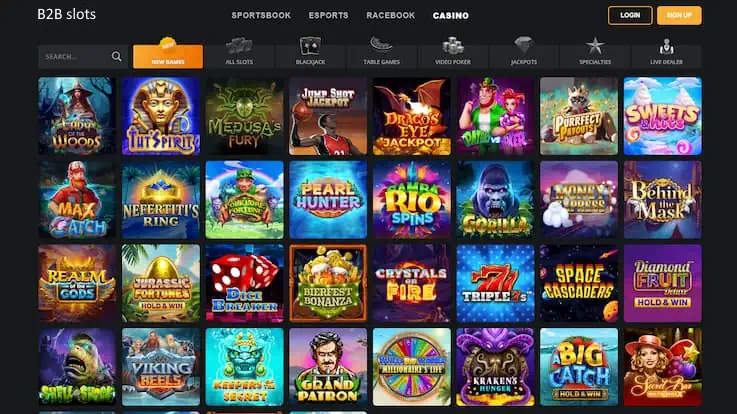
The Role of Casino Aggregators and API Integration
Managing direct contracts with twenty different game studios is a logistical nightmare. This is where a casino aggregator saves the day. They act as a single point of integration, giving you access to thousands of games via one unified casino game API. I've seen projects cut their go-live time by three months using this model.
The pricing is usually a revenue share, around 5-10% on top of the provider's own fee. It's worth it for the operational simplicity. A single API integration from an aggregator like Slotegrator or EvenBet can unlock over 10,000 games overnight. You lose some direct commercial negotiating power, but you gain incredible speed and stability. For any new operator, this is the most practical path forward.
How Casino Software Lobbies and Contracts Unlock Global Markets
A modern gaming lobby is more than a game menu; it's a strategic tool for localization. You can present different games, bonuses, and currencies based on a player's IP address or chosen language. This granular control is powered by sophisticated back-office software that I've configured for several brands.
Effective market entry requires these contractual components:
- A clear revenue share split, typically ranging from 25% to 45% for operators.
- Exclusivity clauses for specific regions like Thailand or Japan.
- Minimum Guarantee (MG) commitments to secure top-tier game providers.
- Detailed marketing and co-op advertising fund agreements.
- Technical KPIs for game loading speed and uptime, often above 99.7%.
I advise my clients to avoid lifetime exclusivity deals. Markets evolve too quickly. Negotiating a 12-month exclusive window for a new game in a specific region is the sweet spot. It gives you a head start without locking you into a dud.
Building a Successful Casino: Integration and Platform Management
The real work begins after you sign the contracts. Casino platform integration is a multi-phase technical project. It involves connecting your front-end lobby, the game servers, payment gateways, and customer relationship management tools. A single mistake here can cost thousands in lost revenue daily.
Here's a realistic timeline and cost breakdown from my last project launch:
| Phase | Duration (Weeks) | Key Cost Area | Critical Checkpoint |
|---|---|---|---|
| Technical Integration | 6-8 | Developer hours ($10k-$20k) | First successful real-money spin |
| Compliance & Testing | 4 | 3rd-party audit fees (~$15k) | Game fairness certificates |
| Payment Gateway Setup | 2-3 | Integration fees ($5k-$8k each) | First successful deposit/withdrawal |
| Soft Launch & Load Test | 2 | Marketing & fraud tools ($10k) | Handling 1000 concurrent users |
Future Trends: What's Next for Casino Software and Gaming Technology?
The next leap isn't just about better graphics. I'm seeing a shift towards hyper-personalization driven by AI. Imagine a lobby where the games, bonuses, and even volatility adjust in real-time based on a player's session behavior. Providers like Relax Gaming are already experimenting with this.

Blockchain-based transparency is another inevitable shift, moving beyond just crypto payments. Smart contracts could automate game fairness verification and instant profit distribution. The most exciting development I've tested is immersive environments using VR. Within three years, I expect the top-tier casino software to offer a fully navigable 3D casino floor as standard. The goal is no longer just playing a game, but offering an entire social experience.
FAQ
Why is Thailand such a key hub for casino software?
Local developers specialize in mobile-first games for the Southeast Asian market. They create content with regional themes and integrate local payment gateways, making them essential partners for operators targeting that audience.
Should I choose a platform like SoftSwiss or EveryMatrix?
SoftSwiss offers a massive, pre-built library ideal for high-rollers. EveryMatrix provides a more flexible, modular system where you add services as you grow. Your budget and target market segment dictate the best choice.
Are casino game aggregators worth the extra cost?
Yes, for most new operators. A single casino API integration from an aggregator can unlock over 10,000 games instantly, saving months of development time despite the 5-10% additional revenue share fee.
What's a fair term for an exclusive game contract?
Avoid lifetime deals. I recommend negotiating a 12-month exclusive window for a new game in a specific region. This gives you a market head start without being locked into a potentially underperforming title long-term.
How long does it take to launch a new casino platform?
From technical integration to soft launch, expect a minimum of 14-17 weeks. This timeline includes crucial phases like compliance testing, payment gateway setup, and load testing to ensure stability under real user traffic.
What's the next big trend in casino software?
AI-driven hyper-personalization and immersive 3D environments are the future. I expect top-tier casino software to offer fully navigable virtual casino floors as a standard feature within the next three years.